We’ve just spent time at Sommet de l’Élevage in France and at Interforst in Munich, and the picture is clear. 👇
Demand is weak, and it will stay that way until the political situation in both countries becomes clearer. Yet some companies are doing well. Their focus is not on low prices.
“It is somewhere else”.
Agricultural machinery sales in France are below last year’s, with drought and political uncertainty weighing on farmers. Germany faces the same uncertainty about the future, and banks are hesitant to back private operators.
Forestry has a slightly brighter outlook in both countries. Many of those we interviewed expect to reach their 2026 sales. The attachment market is also giving some positive signals. But this is the reverse of what is happening in the big machine segment.
Dealers and distributors are feeling the squeeze because big machines are not selling. Big brands are pushing channel partners to sell more machines at lower margins, while also raising service expectations. Many dealers told me they simply don’t have the capital to invest in new machines, new processes and new people. And yet some manufacturers are offering 48-month financing at close to 0% interest. We believe we should look at these issues from a different angle.
Let’s focus on two issues:
- Dealer operations Manufacturers often ask, “Why doesn’t the dealer perform?” In today’s business environment that is simply the wrong question, and a very subjective one. The better questions are:· Have we lost market share, and what are competitors doing?
· How are our dealers working with their customers?
· Are they strong in service but weak in online marketing?
· How can we help them excel?
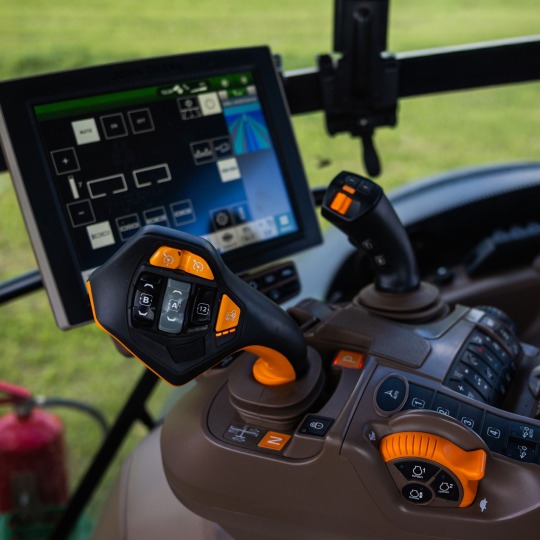
- Technology overload. Back to the space shuttle. Yes, technology can be profitable, and telematics improves service… But do most users really need all the gadgets? They know the fields they plough and the forests they work in. They can see and calculate the yield easily.
Put simply, big brands sell space shuttles with all the bells and whistles. But older customers don’t need to go to space, and younger customers can’t afford a spaceship, at least not all of them.
Just look at the Chinese approach: It appears they sell solid machines at a low price per kilo and leave out the extra technology. If you want technology, you add it yourself.
So who are the dealers that can provide those add-ons for Chinese machines? This is where sales channel management gets complicated, and where NID helps manufacturers optimize their sales channels. In fact, it is all about the service and dealer competences.
One day, if and when Equipment-as-a-Service (EaaS) really takes hold of the market, it will all come down to the service and technical capabilities of the partner network. That is what will make the difference and bring the added value, even for smaller manufacturers.
So what is the “somewhere else” we mentioned at the start?
It is in the dealer and sales channel’s operational excellency. The companies that are doing well now are not racing to the bottom on price, and they are not loading machines with gadgets nobody asked for. They are closer to their dealers, and they understand what those dealers do every day. They even comply to dealers’ product ideas!
Price competition is a race to the bottom, and changing dealer is not the only answer either. Instead, look at your sales channel critically and objectively. What are they doing? Are we doing the right things? How can we help them? Was there a dip in our market share? What the farmers and operators really need now, technology, prices or guaranteed performance?
This is what we have been doing for +30 years at NID. Helping manufacturers by analyzing, critically and objectively their sales channels, markets and export operations. And the picture is clear. (Nordic Consulting, PICO)
As mentioned, market share fluctuation is better indicator now in the sluggish markets, than sales volume analysis.
And do not get carried away with the Chinese competition. It will always be there. Instead, focus on essentials, because farmers in France and Germany do not need a space shuttle now. They need a machine that works and a dealer who keeps it working, while waiting for better days ahead.